Several inbound shipments do not necessarily need to remain several outbound shipments.
Yobiz Logistics can receive freight from multiple origins and combine compatible shipments into coordinated outbound loads.
The goal is to reduce fragmentation in the supply chain and make the next transportation leg more efficient.
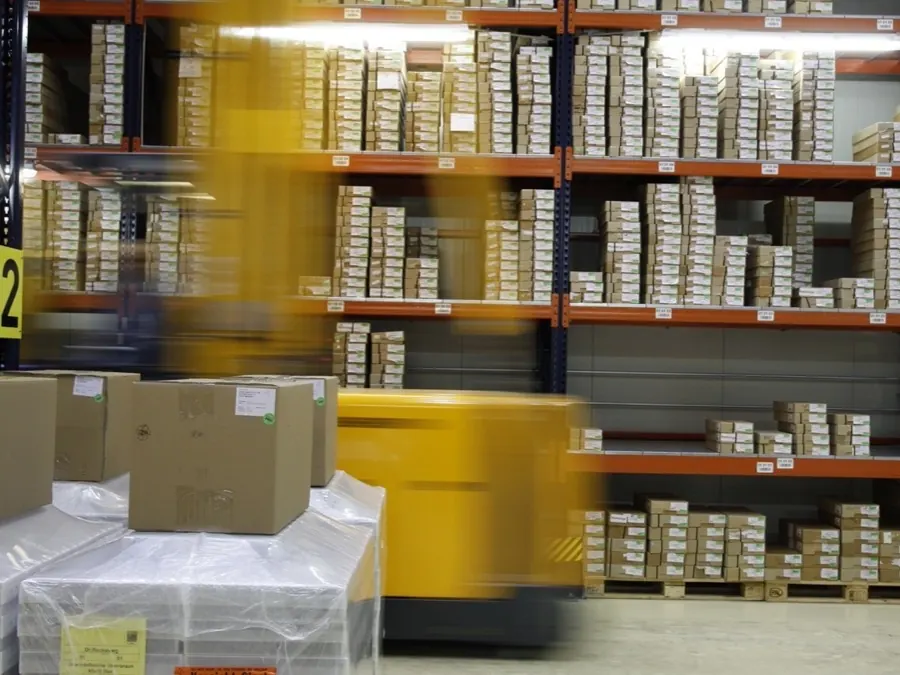
How Consolidation Works
- 01
Multiple Inbound Shipments
Freight arrives from different suppliers, carriers or origins.
- 02
Receive & Organize
Shipments are identified and organized according to customer instructions.
- 03
Consolidate
Compatible freight is combined according to destination or outbound transportation requirements.
- 04
Outbound Load
The consolidated freight leaves as a coordinated shipment.
Why Consolidate Freight?
Fewer Individual Shipments
Combining compatible freight can reduce the number of separate transportation movements.
Fewer Receiving Events
One consolidated delivery can simplify operations at the destination compared with several smaller deliveries.
Better Trailer Utilization
Combining shipments may improve how available transportation capacity is used.
Simplified Coordination
Instead of managing numerous independent outbound movements, freight can be organized around a common destination or transportation plan.
Typical Consolidation Applications
Multiple suppliers shipping to one customer Several LTL shipments moving toward the same destination Supplier consolidation Retail distribution Manufacturing material consolidation Import freight consolidation Multi-order outbound shipments